- V.Sudhakar, Sr. Investigative Journalist, Editor-in-chief – The Reporter TV
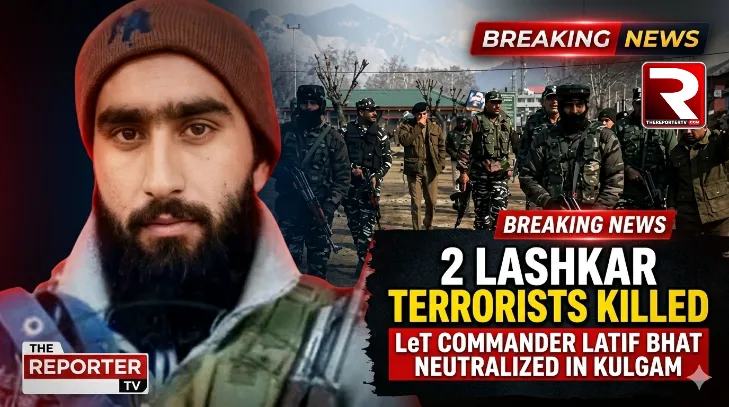
New Delhi: The recent elimination of Lashkar-e-Taiba commander Lateef Bhat, described by security officials as the last known active local terrorist linked to the outfit in Jammu and Kashmir, is being viewed as a significant milestone in India’s ongoing counter-terrorism efforts. Beyond its tactical importance, the operation reflects the growing effectiveness of an intelligence-driven and coordinated security framework in the Union Territory.
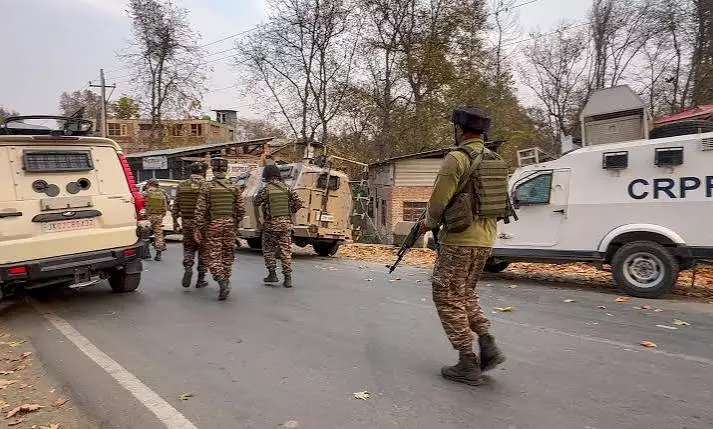
The operation was jointly carried out by the Indian Army, Jammu and Kashmir Police, the Intelligence Bureau (IB) and the Central Reserve Police Force (CRPF). Security experts say the successful mission demonstrates how real-time intelligence sharing and close coordination among multiple agencies have strengthened India’s ability to identify and neutralise terror threats before they can materialise.
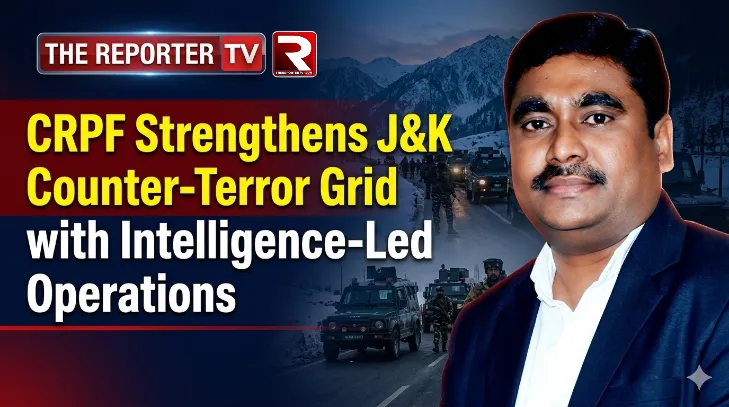
Under the leadership of CRPF Director General G.P. Singh, the force has further expanded its role in the counter-terror grid by strengthening ground surveillance, improving operational coordination and enhancing rapid response capabilities. Officials believe this integrated approach has significantly improved the ability of security forces to track terrorist movements and conduct precise operations.
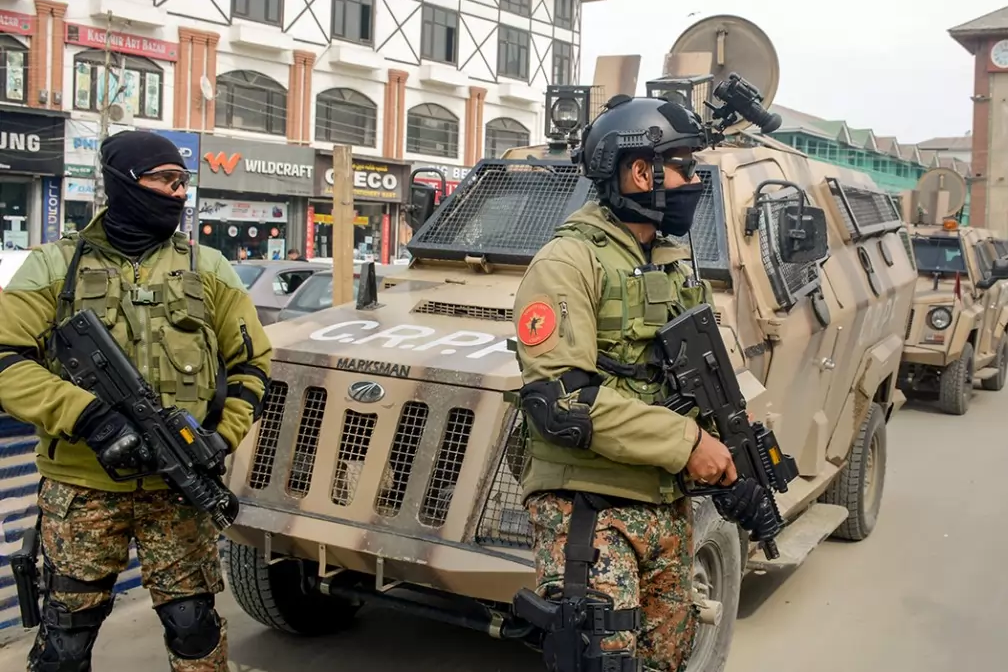
The strategy is in line with the PRAHAAR approach, which focuses on prevention, precision and sustained pressure against terrorist networks. Rather than responding only after an incident occurs, security agencies are increasingly relying on intelligence-led operations to dismantle terror infrastructure, disrupt support networks and prevent potential attacks.
The Kulgam operation is being cited as an example of this evolving security model, where multi-agency coordination and actionable intelligence enabled forces to carry out a swift and targeted operation. The emphasis on combining intelligence inputs with a strong ground presence has helped strengthen the overall security architecture in Jammu and Kashmir.
Security analysts say the changing operational strategy marks a gradual shift from isolated, reactive responses to proactive counter-terror operations aimed at preventing infiltration, dismantling terrorist ecosystems and tackling emerging lone-wolf threats. The continued collaboration between the Army, CRPF, J&K Police and intelligence agencies is expected to play a key role in maintaining stability and enhancing national security in the region.